Breaking new ground
Jude van Brandenburg is a Queentown-based landscape architect specialising in garden and design services. He tells Distinctive Designs his philosophy has three tenets: connection, commitment, and fun.
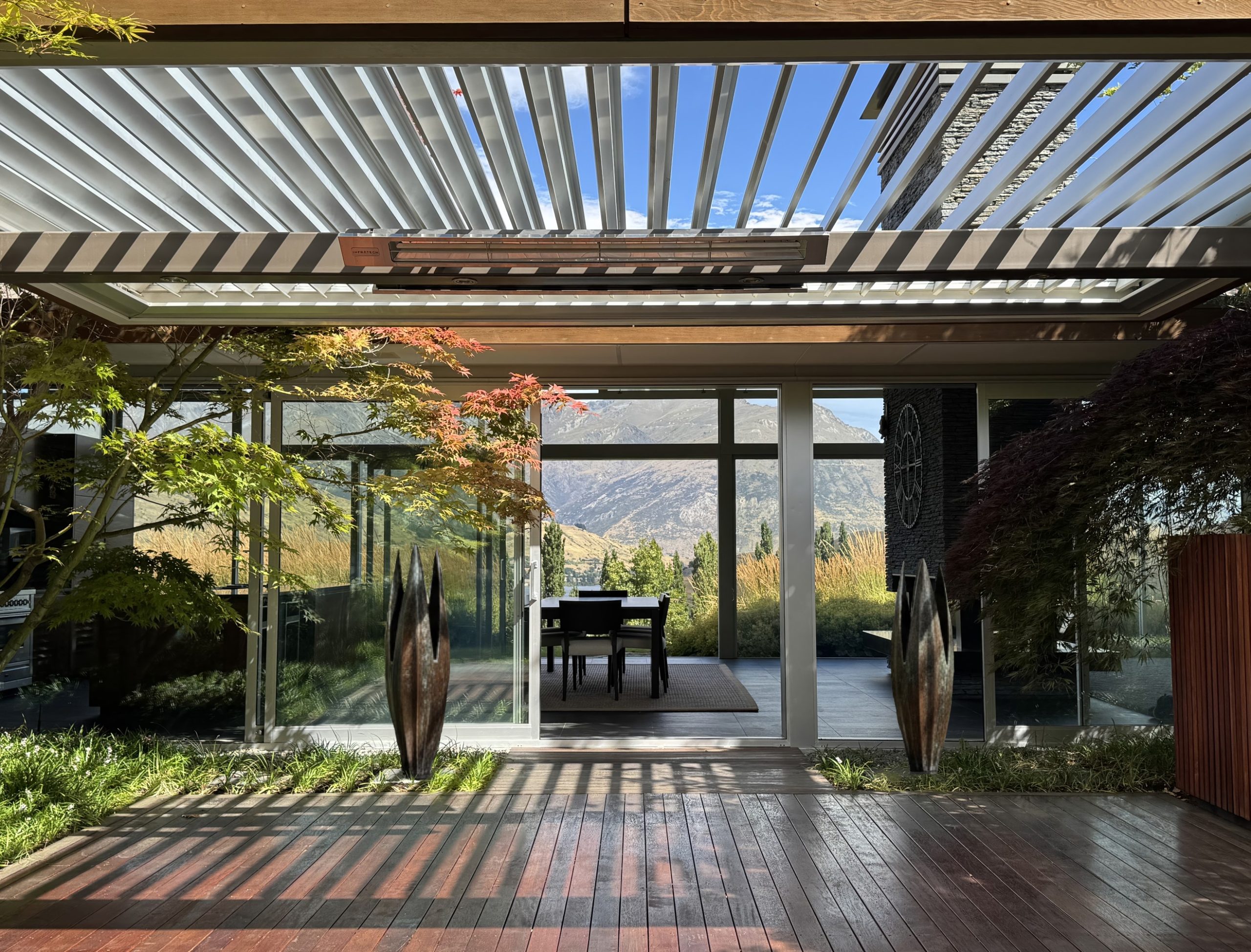
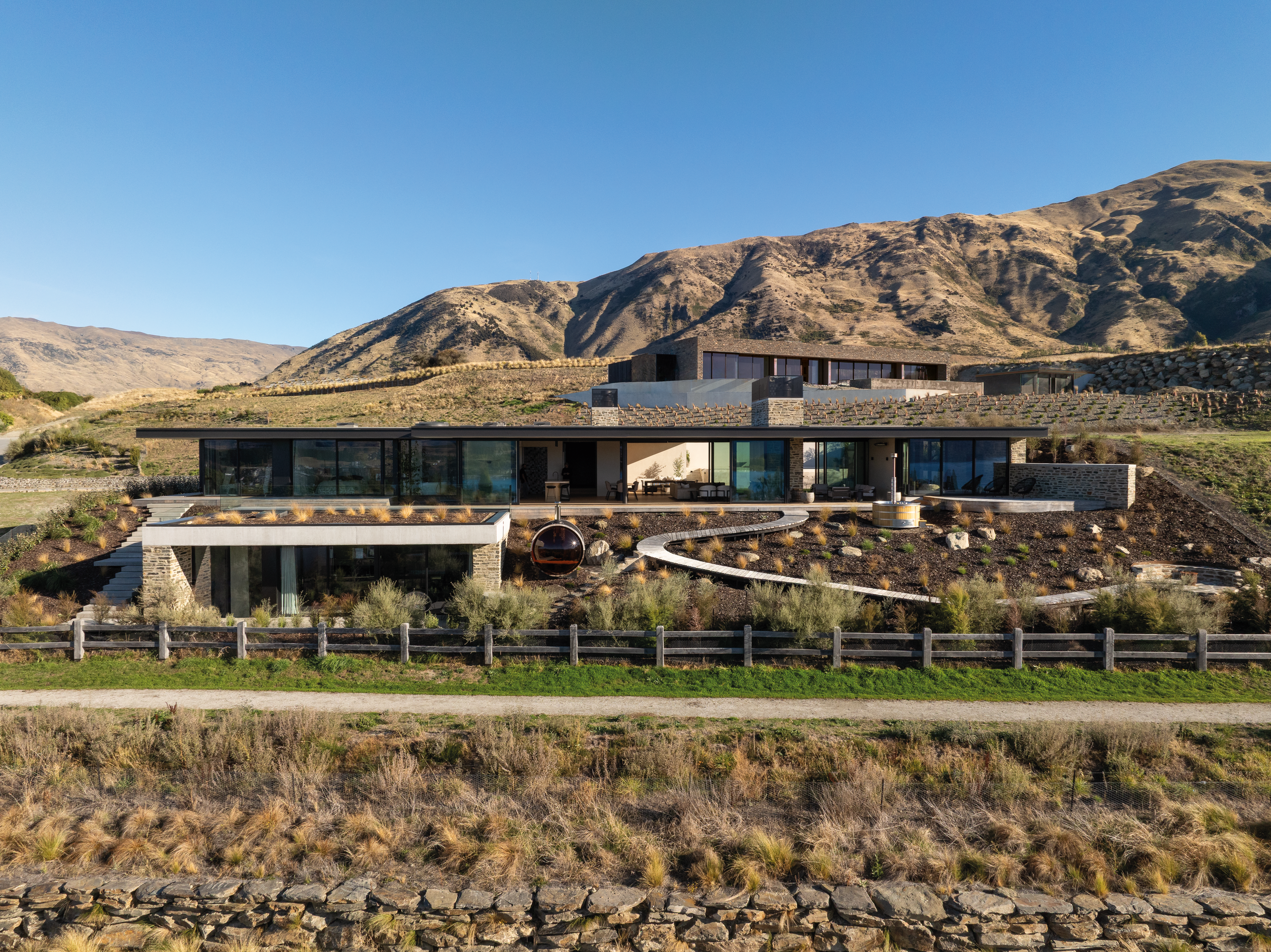
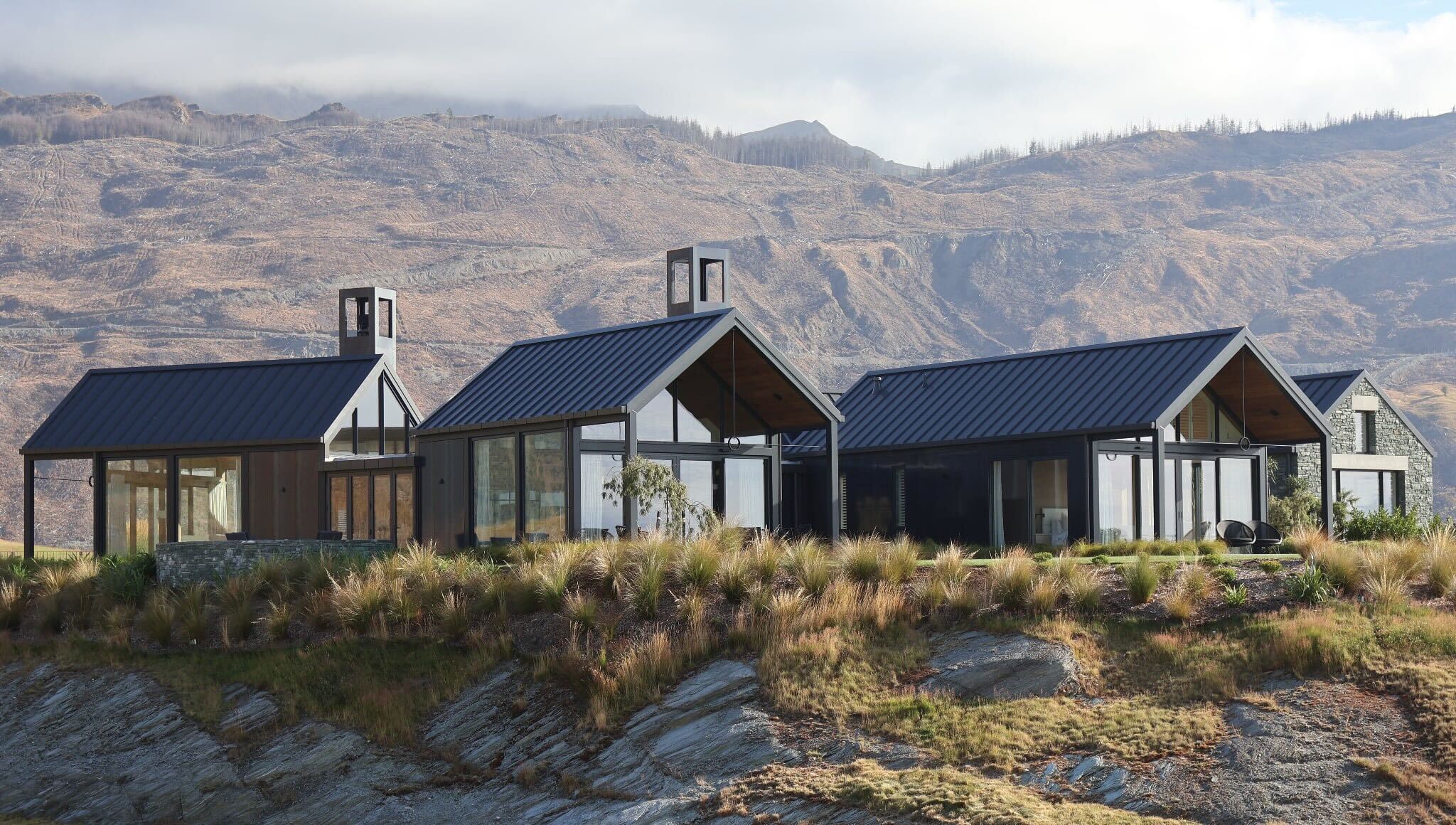
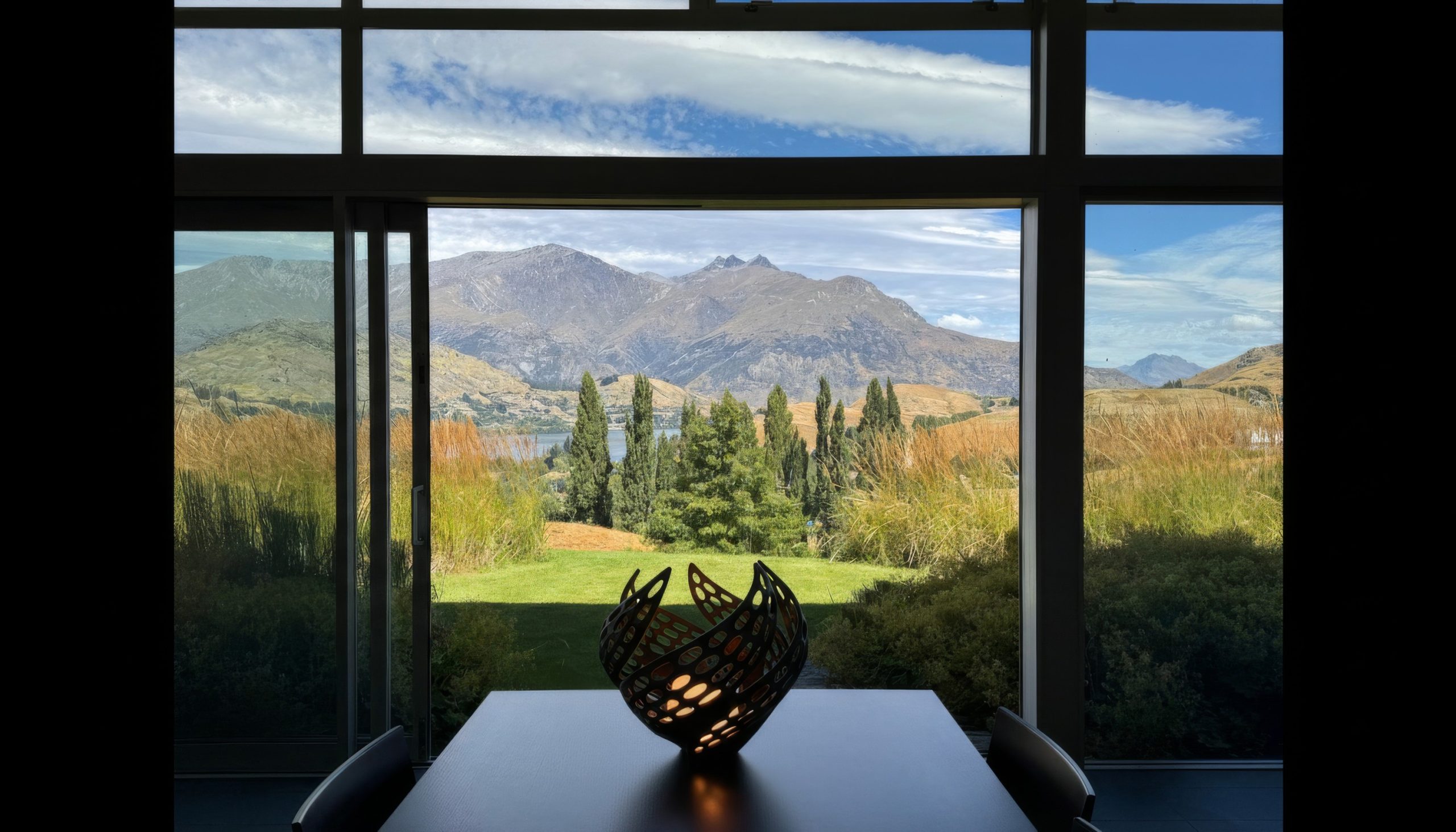
Queenstown properties boast spectacular mountain and lake views, but this can mean conflicting landscape design needs: an outdoor space that balances openness with closeness. Jude’s recent Mill Vista project is one such case.
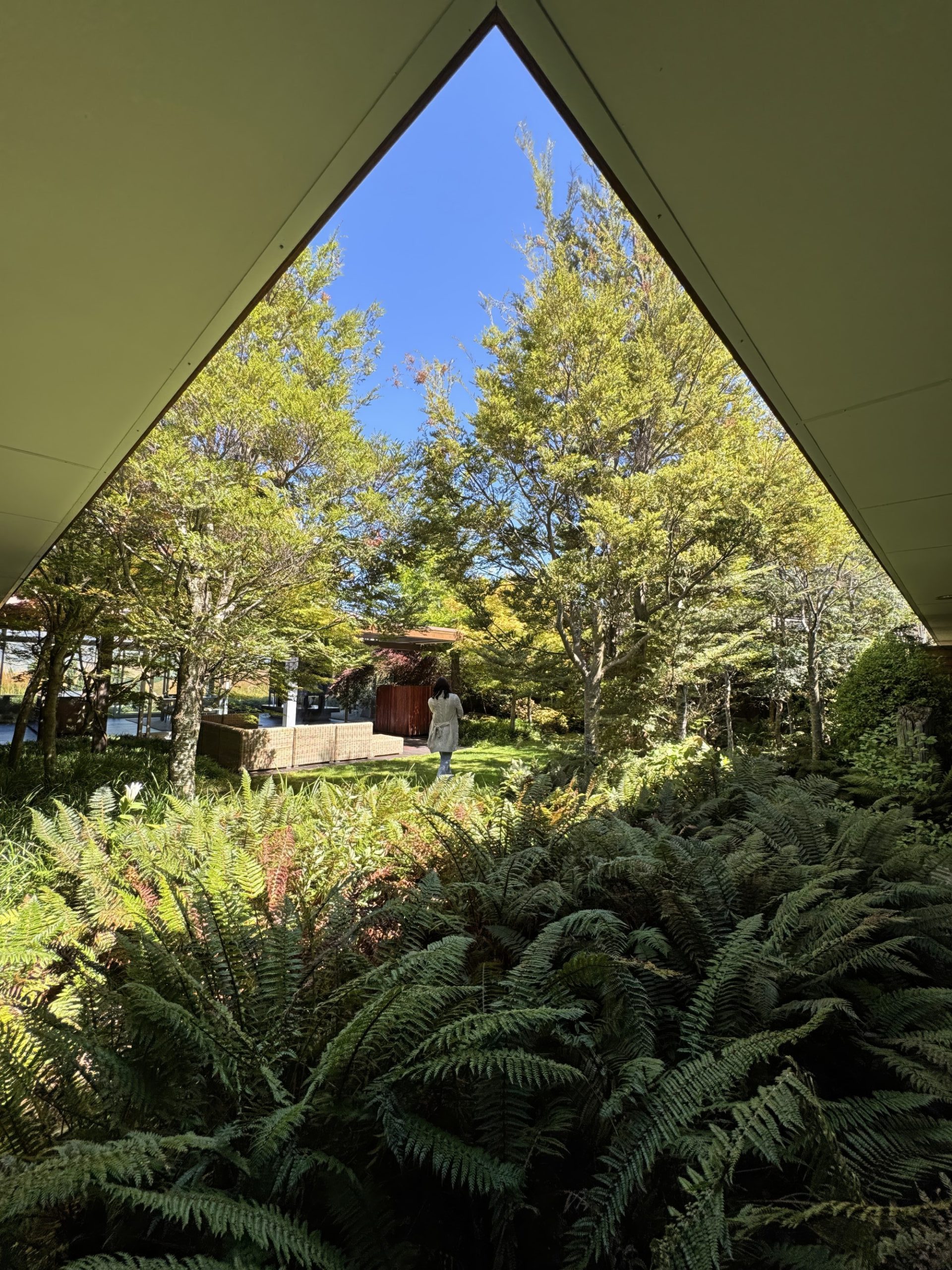
“The site had beautiful views of Lake Hayes and The Remarkables, which I designed an open view towards, but then the internal courtyard has a sheltered seating area with a shade structure and trees to create the illusion that you are in a forest clearing,” he says. “I feel these gardens need to be open, but there’s also a need to create internal interest and intimate spaces.”
Jude deeply respects that every site is unique. His design approach reflects this. “My philosophy for a successful garden or landscape design is a commitment to seeing the garden come to life and to staying connected to make changes along the way.”
He says that a close working relationship with the client is essential with respect to exploring ideas. Still, Jude also likes to add some surprises for the client. “The garden must also be fun. I aim to have at least one ‘wow’ moment in every garden.”
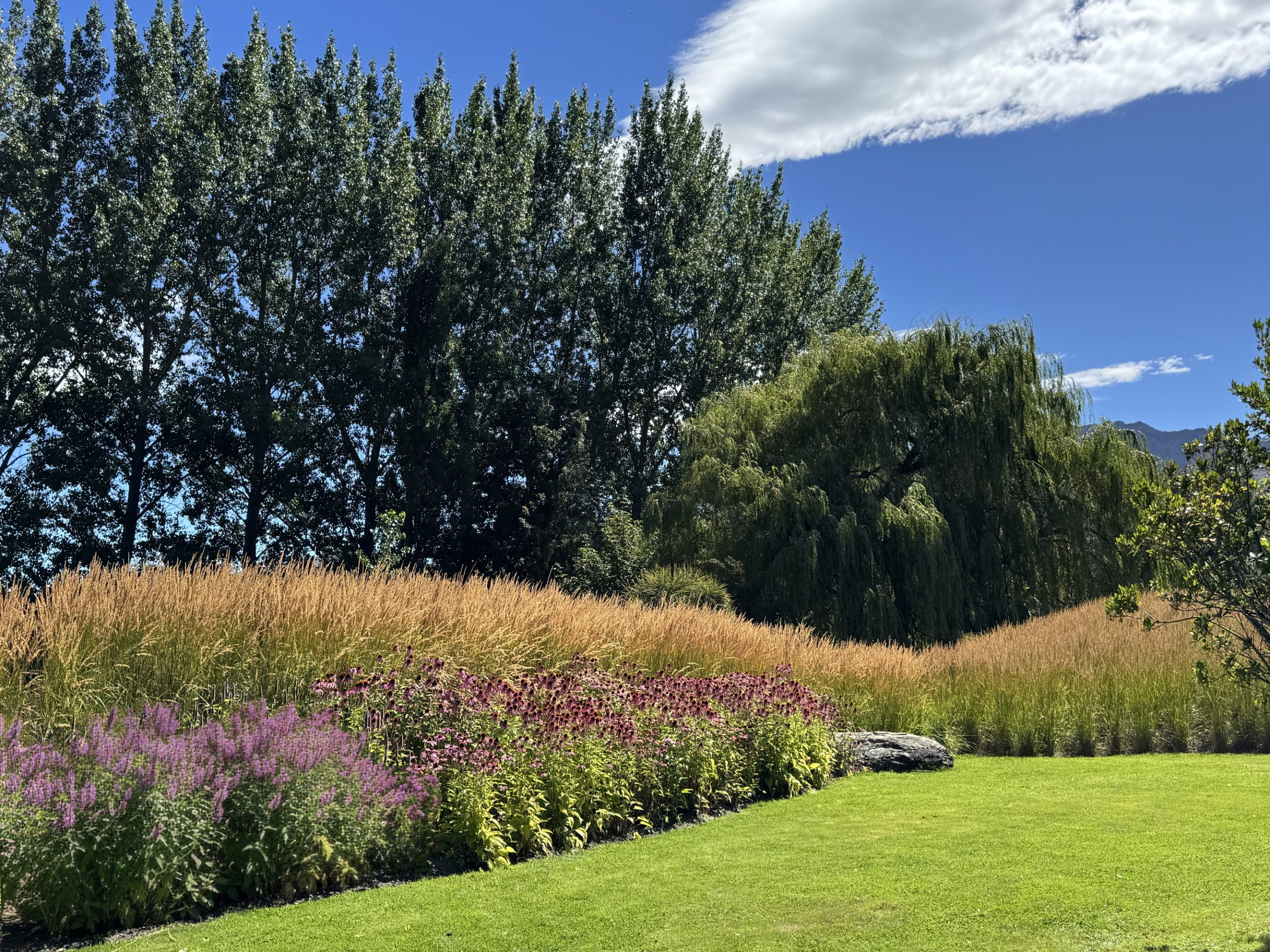
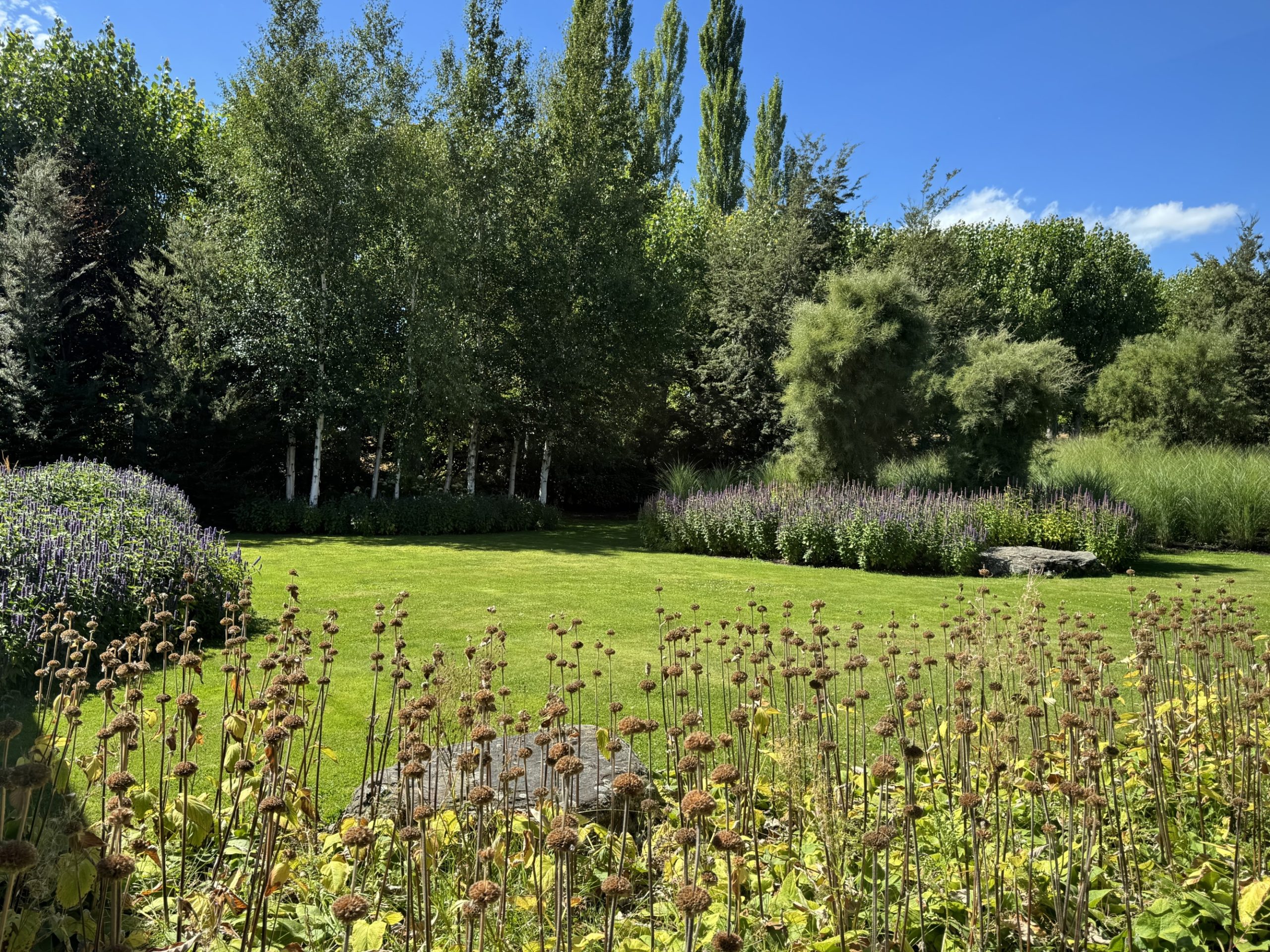
Freshness is another core ethos. “I have a philosophy to not repeat what every other designer is doing. For example, the repeated planting of tussocks throughout Queenstown, and it rarely looks any good. Tussocks prefer an alpine environment away from deciduous trees. For pastoral landscapes, a mixture of ornamental grasses and flowering perennials works well.”
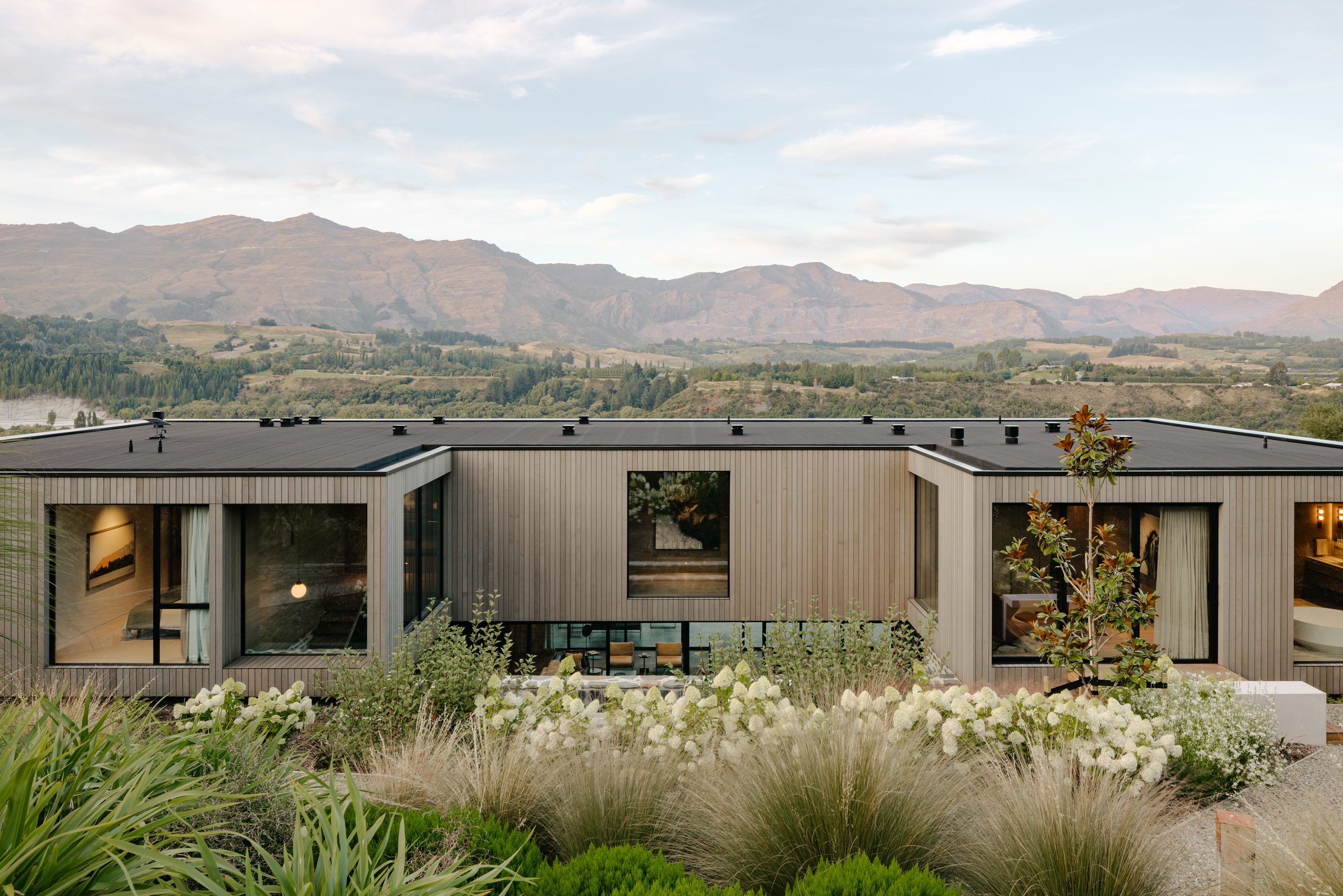
Higher demand for these perennials and exotic grasses is a trend Jude embraces. Though planting natives matters, especially in sensitive sites where responsible ecology is a priority, he advises Kiwis not assume that natives are always the best plants to use in a garden.
“A native garden is appropriate in some circumstances, but most often in a residential garden, I believe seasonal variation and colour are more interesting. Many clients enjoy international trends, such as the planting of Piet Oudolf or Anthony Paul.”
Jude sees a shift away from native-only gardens. Clients are more open to seasonal interests and gardens that require a cutback in spring to allow a fresh summer garden. “For example, I was designing a garden in 2015 where the client only wanted red tussocks. The problem? The garden was located in a domestic setting under deciduous trees. The tussocks struggled. We replaced them with exotic grass, which looks better year after year.”
Sculptures in the garden add an important layer of interest, allowing the owner to express their individuality while guiding the eye and acting as visual anchors within the landscape. As permanent features, they provide year-round presence when plants are dormant, and can create striking contrast against soft, organic surroundings.
Through the use of carefully selected materials, sculptures may capture and reflect light, enriching the garden space they occupy.
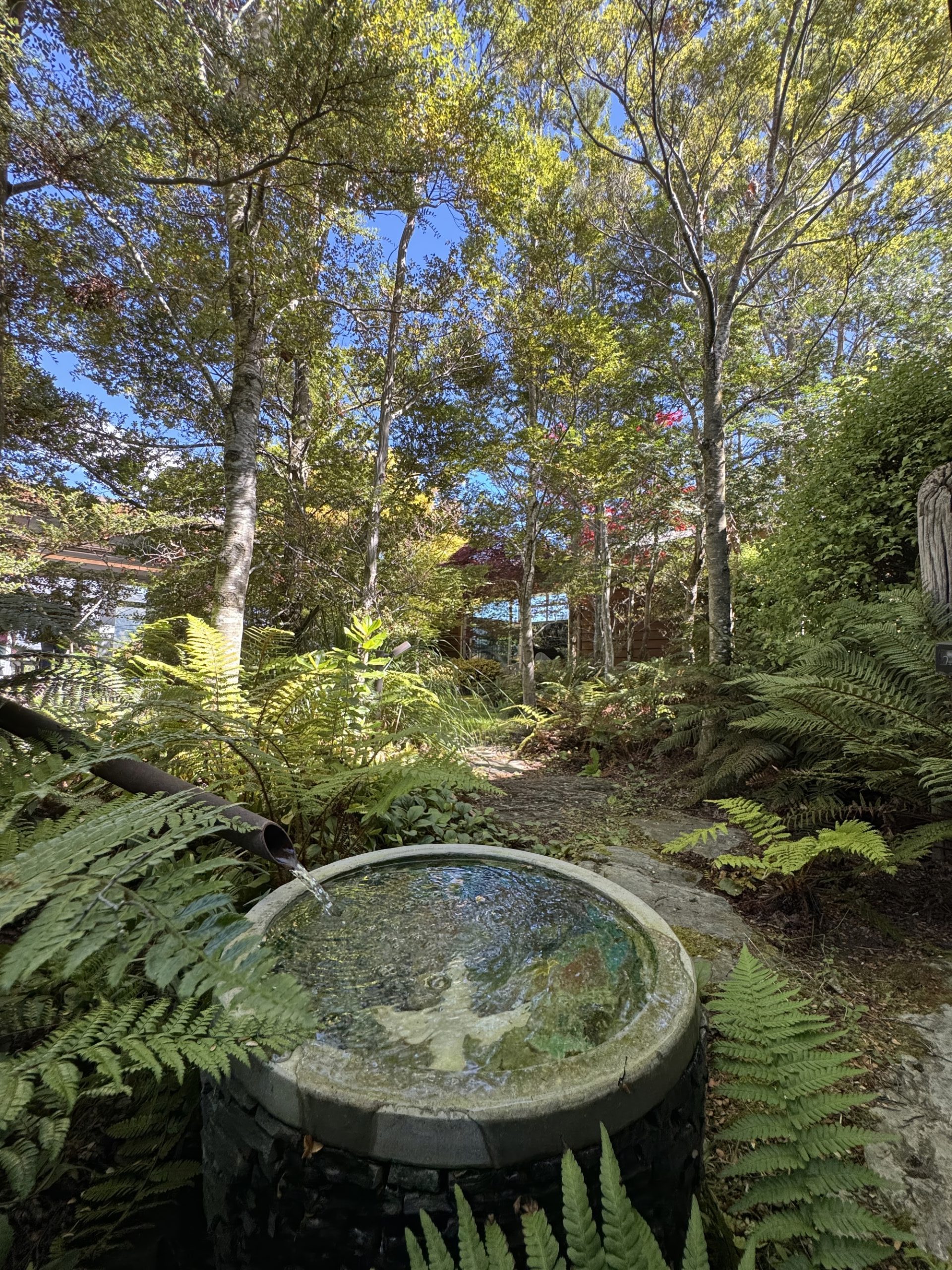
Water features enliven gardens. “Incorporating water in the form of ponds, streams, swimming pools, waterfalls or sculptures is an integral part of bringing a garden to life with movement; letting it fall, run or gather in a pond. The use of water is a clever way to mask unwanted noise.
Other elements that bring gardens to life include furniture and planters that excel in form and function. “It can become a crucial link between indoors and out,” he says. “Strategically placed lighting to highlight key features such as trees, paths and sculptures also extends the usability of the garden into the evening.”
Jude’s process emphasises client connection from the first site visit to the final plan. “It’s my preference to stay involved throughout the project.” Reach out today to bring your outdoor vision to reality.
Contact details:
JVB Landscape Design
0274 649 174
judevb@gmail.com
Images by: Ashleigh Van Brandenburg - www.vanbrandenburg.co.nz