Living beyond the trends
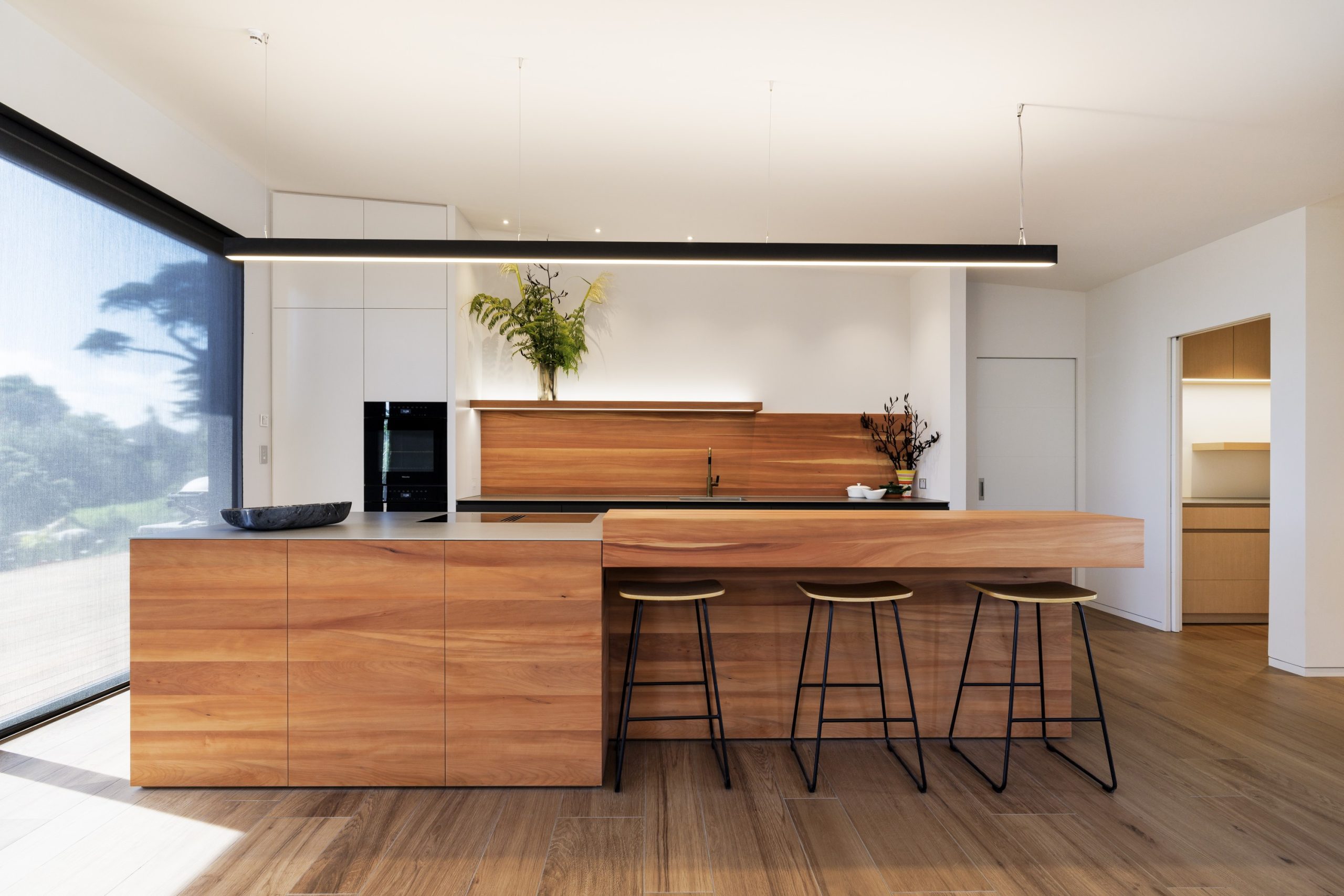
Building and renovating today is no longer just about appearance. Homeowners are thinking more carefully about longevity, practicality, sustainability, and how their spaces support everyday life. At the same time, there’s a growing appetite for homes that feel warmer, more connected, and tailored to the people living in them.
We spoke with Klaus and Smilla Todt from LIV+ about the changing priorities shaping New Zealand homes, from integrated storage and material choices to the renewed importance of seeing products in person before making design decisions.
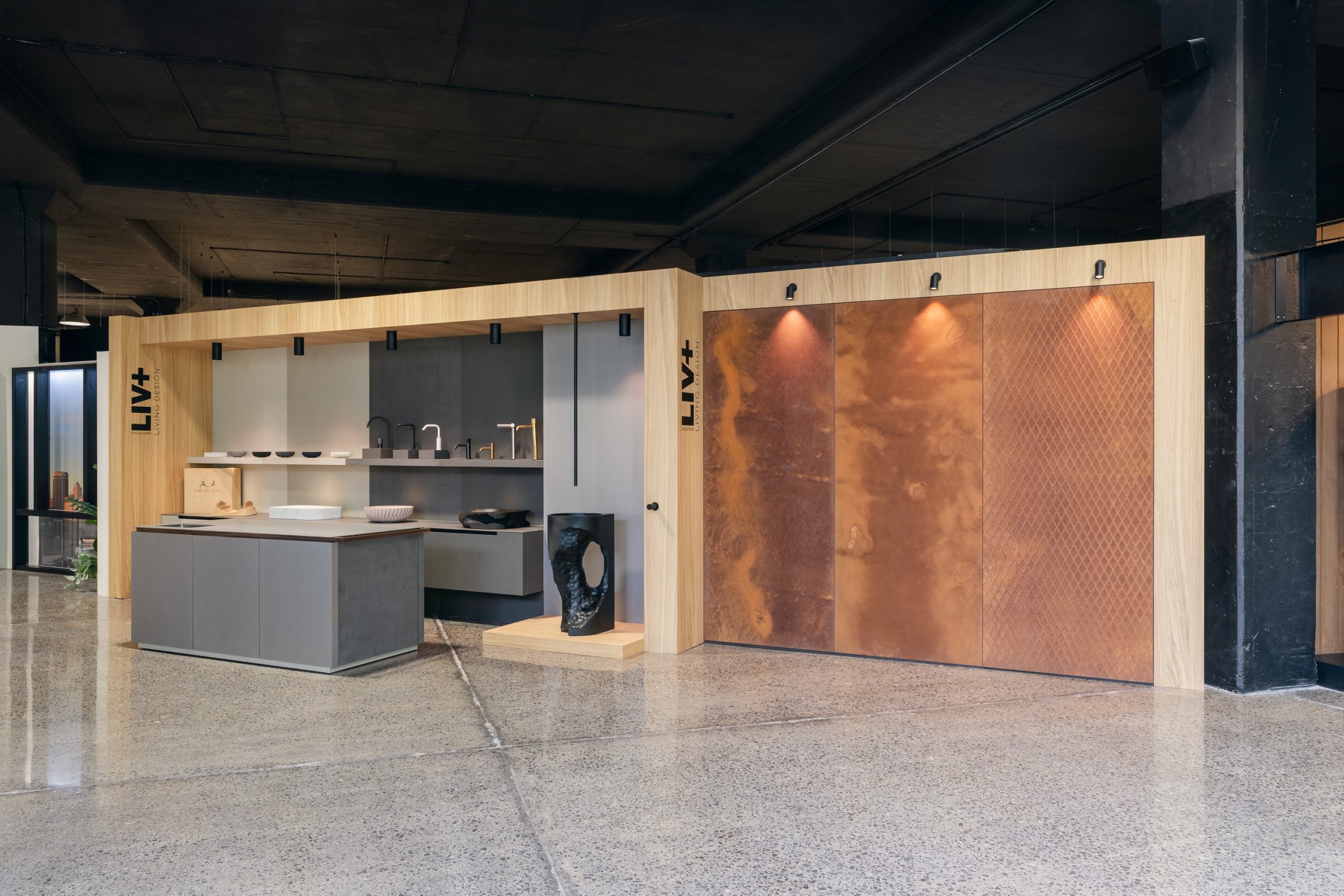
LIV+ specialises in premium interior surfaces and bespoke design solutions, with a focus on craftsmanship, material innovation, and thoughtful detailing. Their new showroom reflects a growing desire for homes that feel considered, tactile, and designed for long-term living. The space also gives clients the opportunity to experience materials and finishes in person before making major design decisions.
Why do showrooms still matter when so much inspiration is online?
Physical showrooms remain vital because nothing can truly replace a face-to-face conversation. Often, the most important questions are the ones a client didn’t even know they had; those can’t be replicated online. It is great to have so many resources online to get ideas flowing, and for clients to gather an understanding of what they like, and don’t like, but after that, they want to see and feel the surfaces in person. Being able to experience the texture, weight, and fine details of a material in real life allows you to better imagine how it will live within your own four walls.
What interior design trends are big right now?
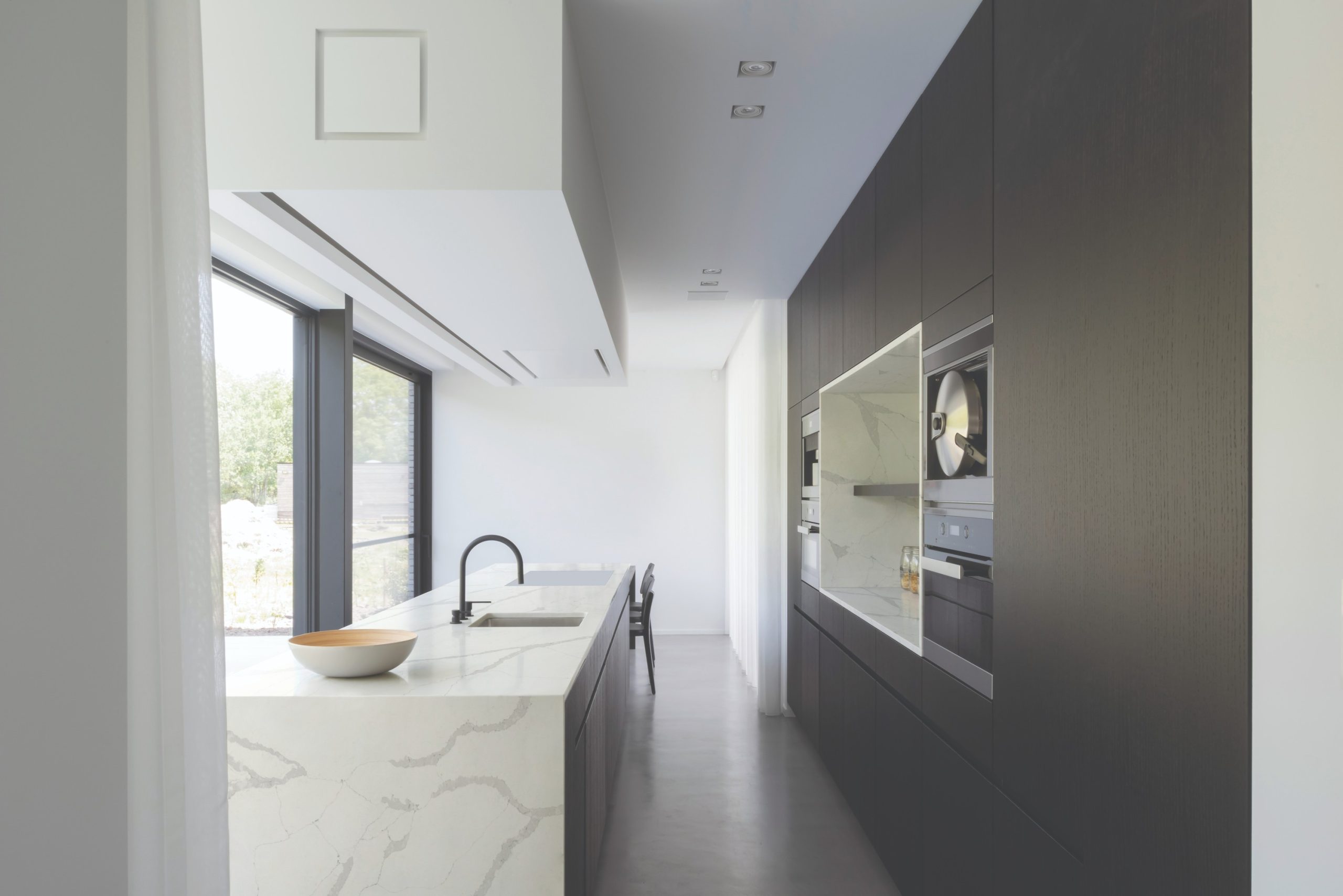
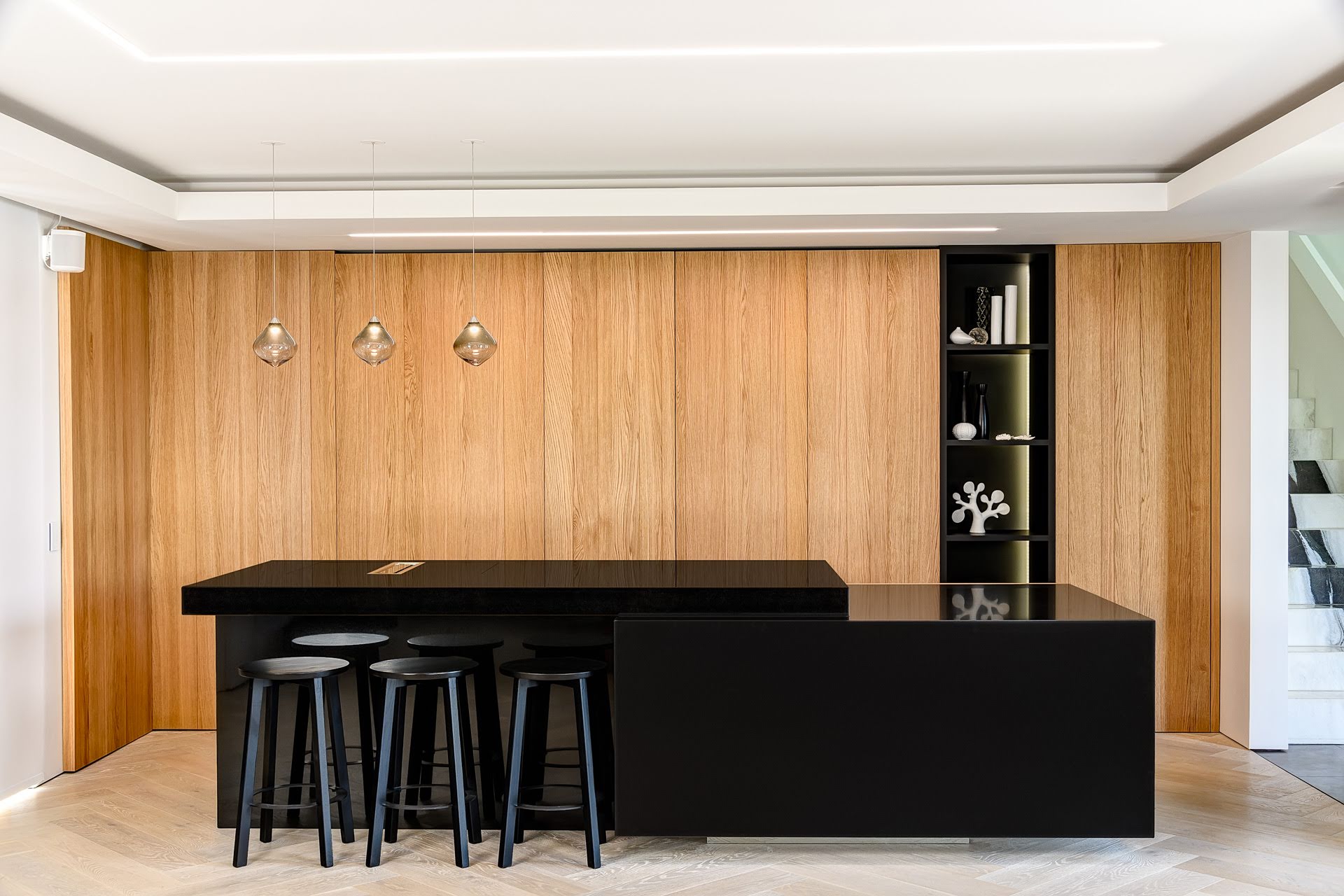
We are seeing a lot of stone, especially it being used in increasingly innovative and creative ways. Alongside this, there is a strong shift toward material longevity, with this stainless steel is making a big comeback, but it’s nearly always paired with warmer wood toned cabinetry to keep it from feeling clinical. It is also often mixed with other materials, that a backwall and island are two different materials, such as a stainless backwall, and a stone island.
How are changing lifestyles influencing the way people design?
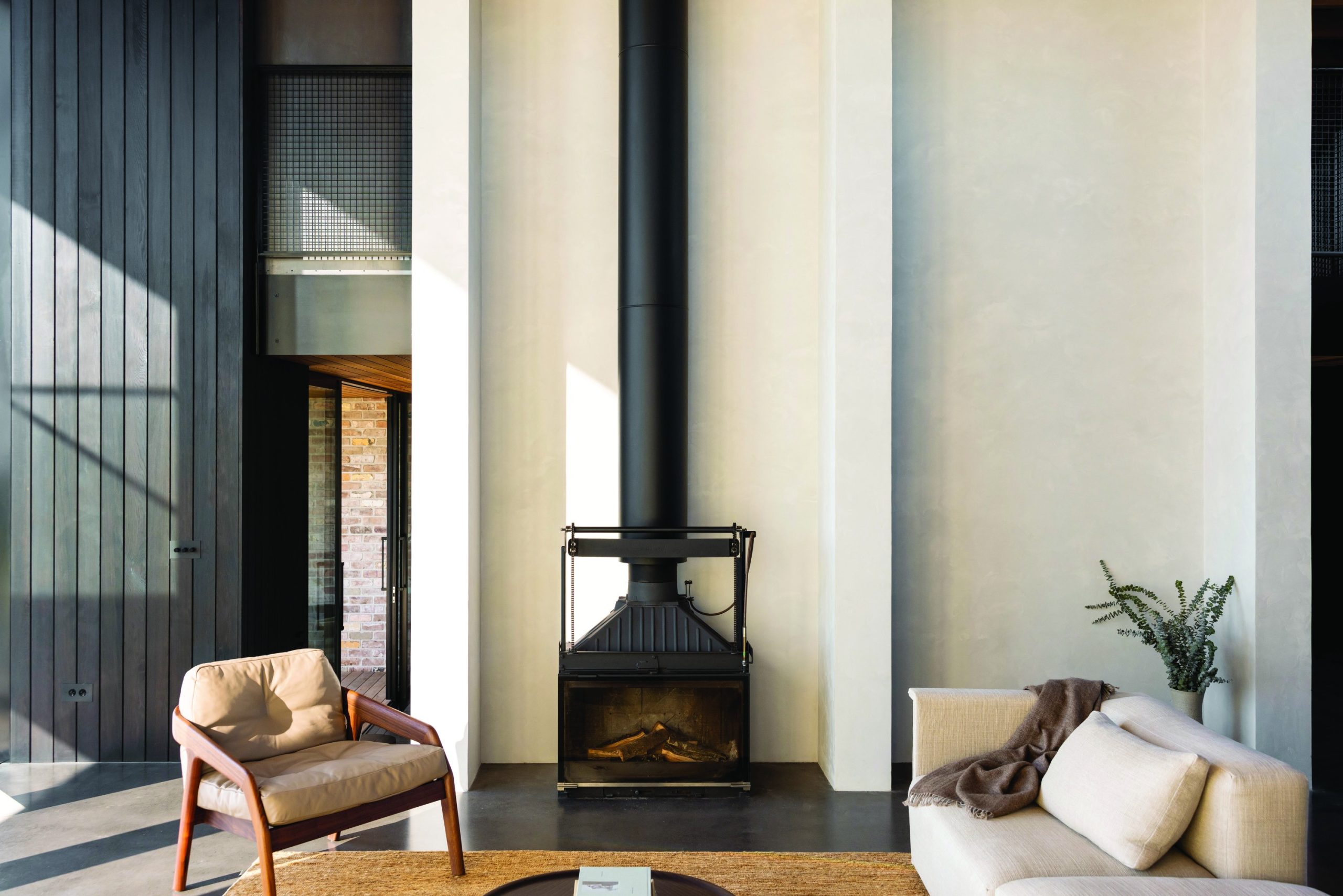
Changing lifestyles have always reshaped how homes are designed and used. Currently, with fewer people house hopping, we’re seeing a move away from temporary fixes and toward the forever home. This means prioritising quality, and choosing materials that age well. As we spend more time at home, with work from home options becoming more common, there is a greater emphasis on
creating a ‘homier’ environment. People are also putting more value on having recycled or renewable materials in their homes, that reflect a more environmentally conscious way of living.
What do today’s homeowners prioritise?
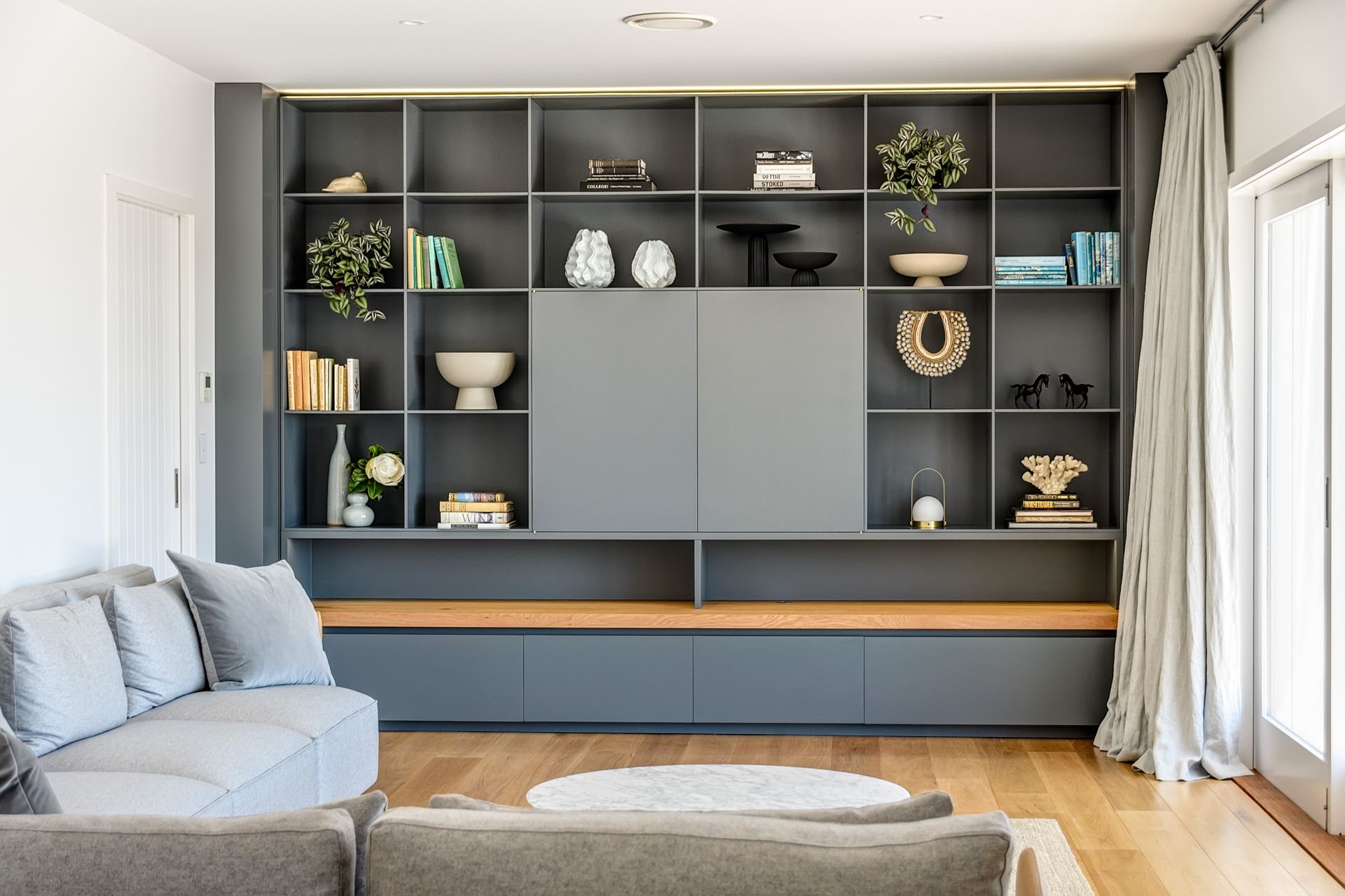
Today’s homeowners are prioritising clever, integrated storage that maximises every bit of space, especially in smaller spaces. We’re seeing a major emphasis on hiding the necessities, such as appliances, using secret doors and integrated joinery to tuck away the clutter of daily life so that clients can choose their favourite items to display and all other necessary items that might not look the part are still accessible when needed but hidden away when they’re not.
Are people leaning more towards style or practicality?
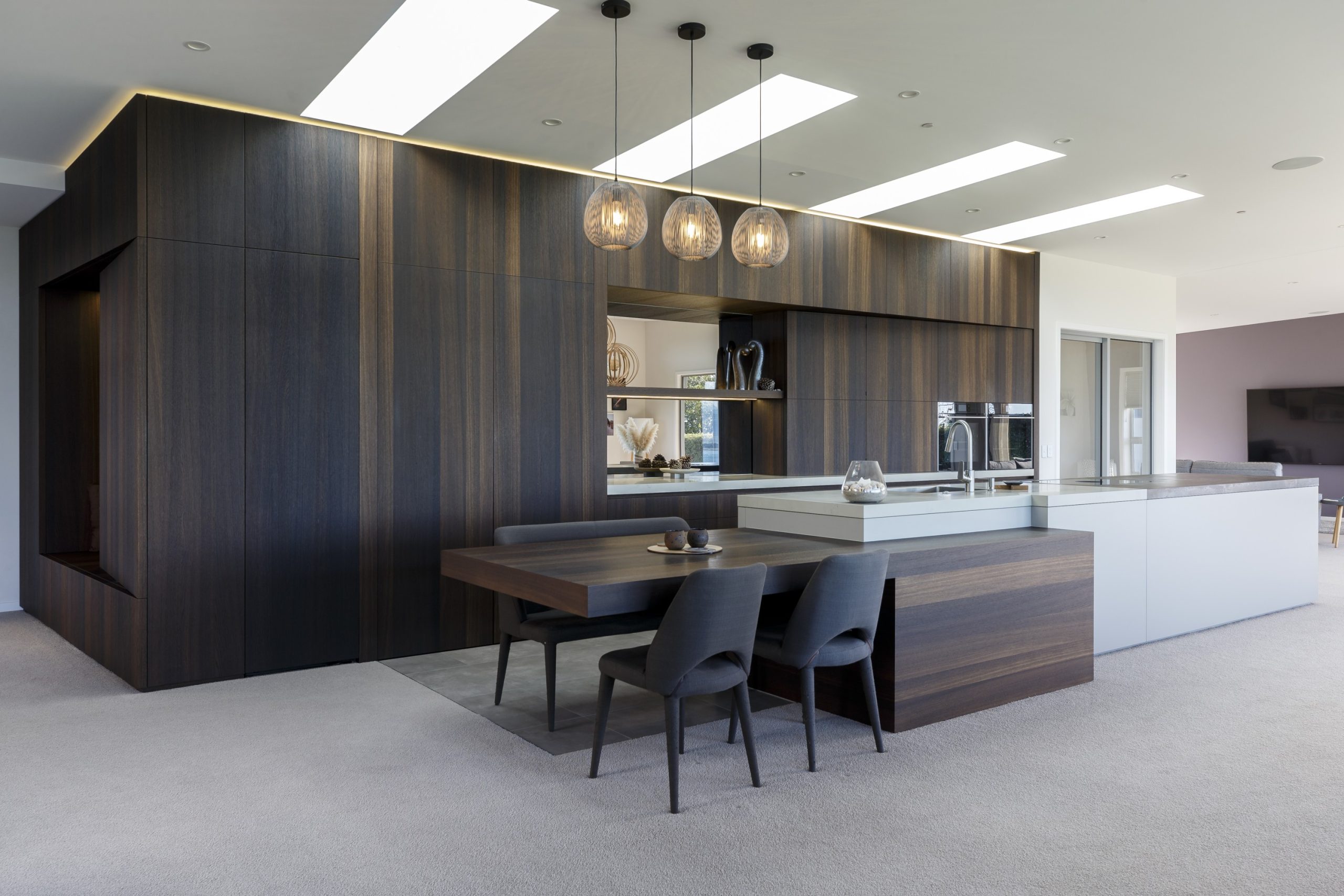
It’s for sure a balance of both. A great example is the evolution of the kitchen as the heart of the home. In the past, it was often hidden, and separate from the dining area, now it’s designed to be a beautiful social space where people come together. More and more clients are placing their cooktops on the island rather than the backwall, to facilitate social interactions with those around them.
However, these spaces are still packed with customised, and smart storage solutions to ensure is as practical as it is design orientated. To maintain a home’s style while ensuring practicality, that “red-thread” of design needs to be brought in and continued throughout the home. By thinking about storage as a core element of the home during the design phase, rather than a last-minute addition, we create spaces that are as organised as they are beautiful.
How would you describe the style of New Zealand homes?
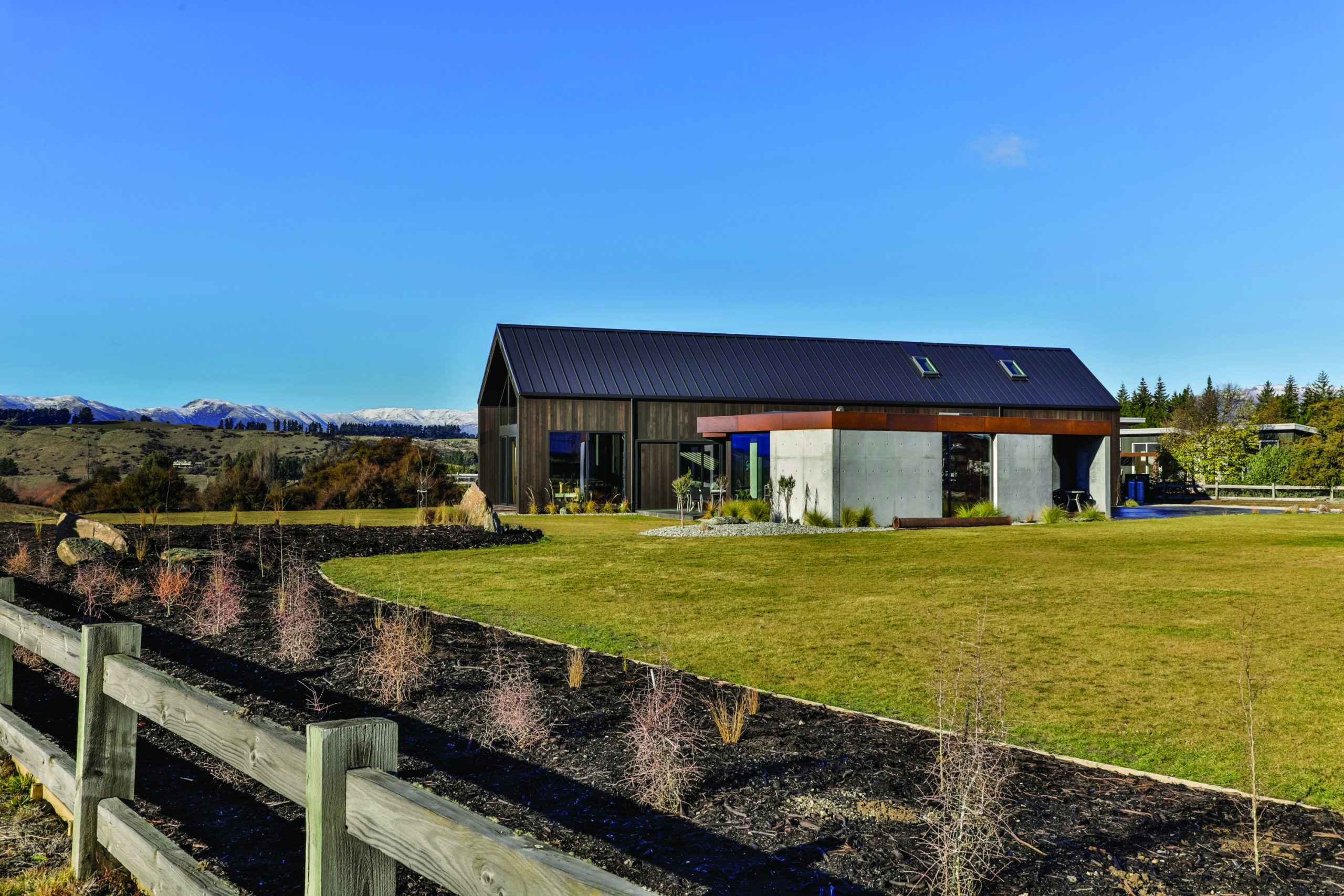
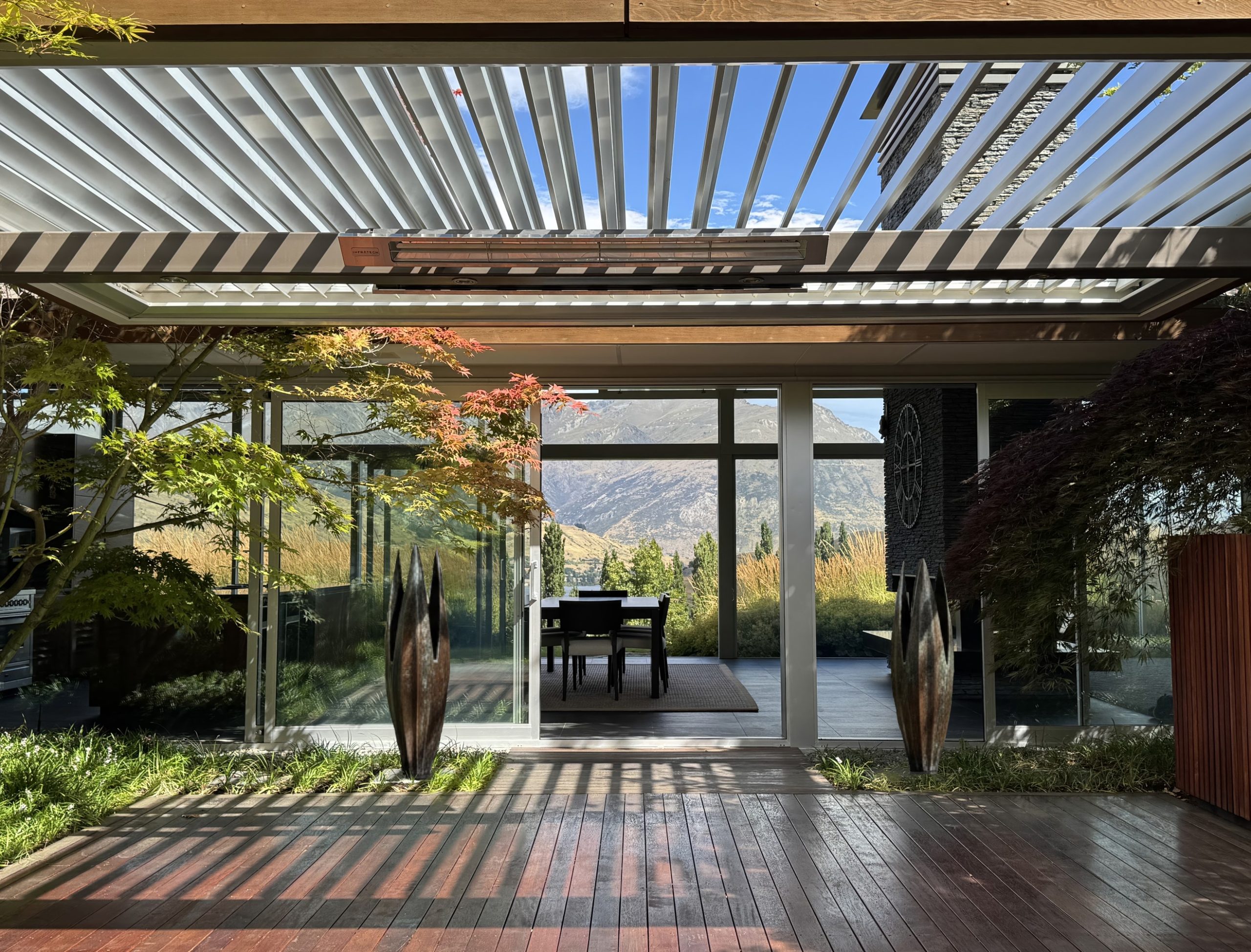
We are seeing a positive shift in the New Zealand architectural landscape. Traditionally, there was often a disconnect between the exterior and interior, but that is changing. Interior designers are now collaborating with architects much earlier in the process to create a harmonious, singular vision for a home. We’re also seeing homes being built with a much deeper respect for the natural landscape, ensuring the structure feels like a part of its surrounding environment rather than an imposition on it.
What is one shift you think will shape home design over the next few years?
The next few years will be defined by a higher upfront investment mindset. Homeowners are increasingly willing to pay more initially for better living for years to come. This includes investing more in insulation, solar energy, and high-quality cladding because they know it pays off in longevity and lower running costs. The same is seen in interiors, with materials that stand the test of time being chosen, even if these do come with a higher upfront cost, as it will pay off over time, thanks to not having to replace these anytime soon.
A final message to B+R readers?
Don’t be afraid to think outside the box! Design is at its best when you step away from the expected and create something that truly resonates with how you live. Visit www.livplus.co.nz for more.