The art of architectural concrete
Te Arai Construction Concrete transforms everyday arrival moments into sculptural architectural experiences through precision craftsmanship, texture, light and refined detailing.
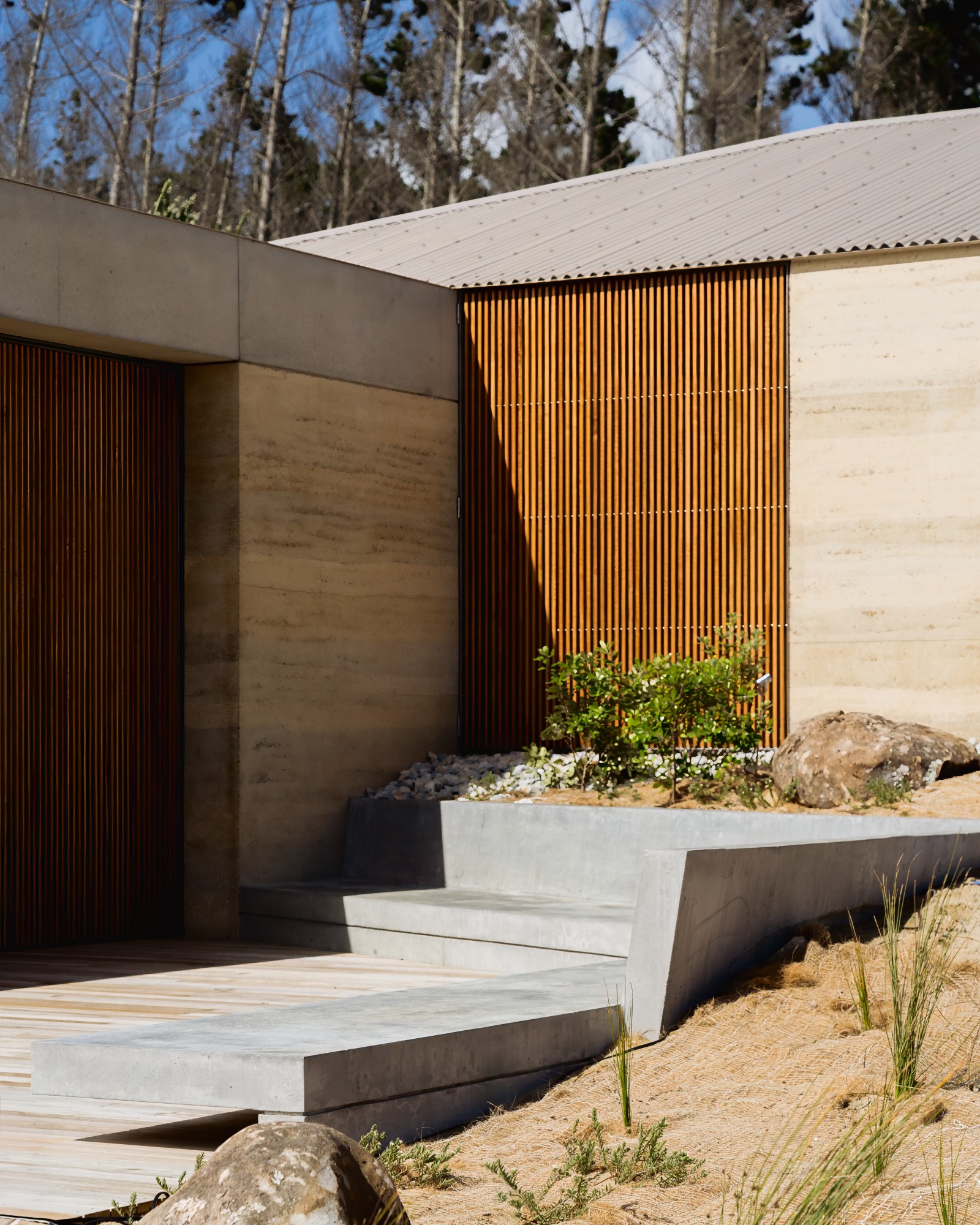
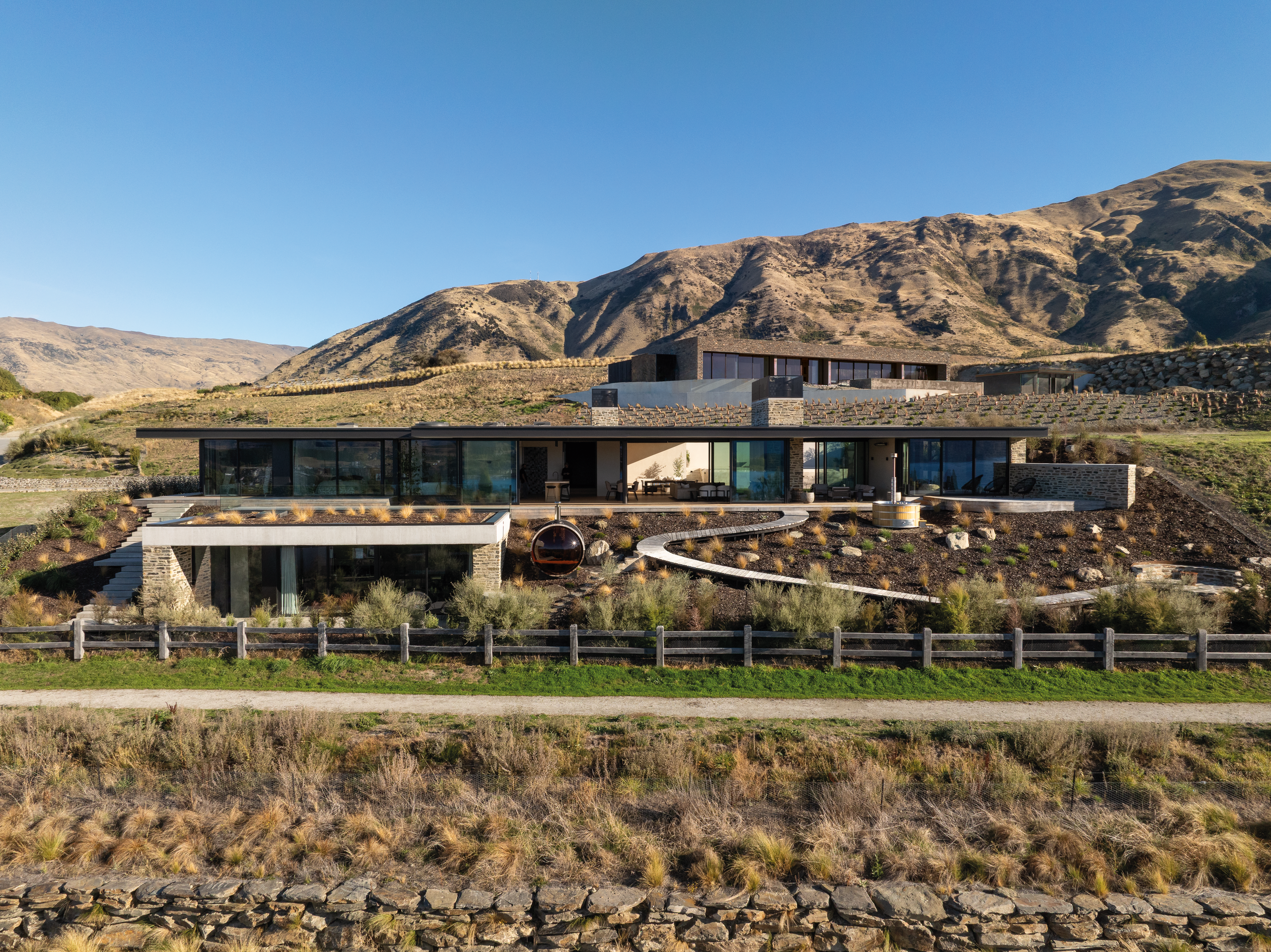
The arrival sequence of a home sets the tone for everything that follows. It is the first tactile and visual interaction with a space; the point where architecture begins to communicate mood, restraint and permanence. For Te Arai Construction Concrete, that moment is treated as a sculptural experience, carefully composed through the use of burnished stairs, off-form concrete portals and breezeblock screens that shape light, texture and movement.
Rather than treating concrete as simply structural, the team approaches it as an architectural material capable of creating atmosphere and emotion. Their work focuses on how a surface catches the morning sun, how shadows move across textured walls, and how finely resolved details can elevate an entrance into something memorable.
Mitchell Fleming from Te Arai Construction Concrete says: “No two projects we work on are ever the same, so a high level of planning with the team around set-out, formwork and even the smallest finishing details is crucial. With concrete, there are no second chances.”
That level of precision is central to the studio’s process. Every line, edge and junction must be considered before the pour begins, because the finish is embedded permanently into the material itself. Off-form concrete portals are designed with exacting care to ensure clean rebates, sharp corners and uninterrupted surfaces. At the same time, burnished stairs are hand-finished to create a softer, almost reflective texture that contrasts against surrounding landscape materials.
“Our approach to every job is to create something architecturally beautiful rather than to look at concrete as a structural element. This comes right down to planning and how we form things. Technically, we form things in reverse,” Mitch says.
Across multiple projects, Te Arai Construction’s consistency lies in restraint and refinement. Breezeblock screens filter natural light into shifting patterns, creating depth and privacy while maintaining openness. Entrances become layered experiences, where solidity and softness exist together through carefully balanced form and texture.
“The markers of good architectural concrete come down to clean, tight corners and lines,” Mitch says.
The result is an arrival moment that feels intentional from every angle, sculptural yet grounded, minimal yet highly crafted, revealing the level of skill required to make architectural concrete appear effortless.
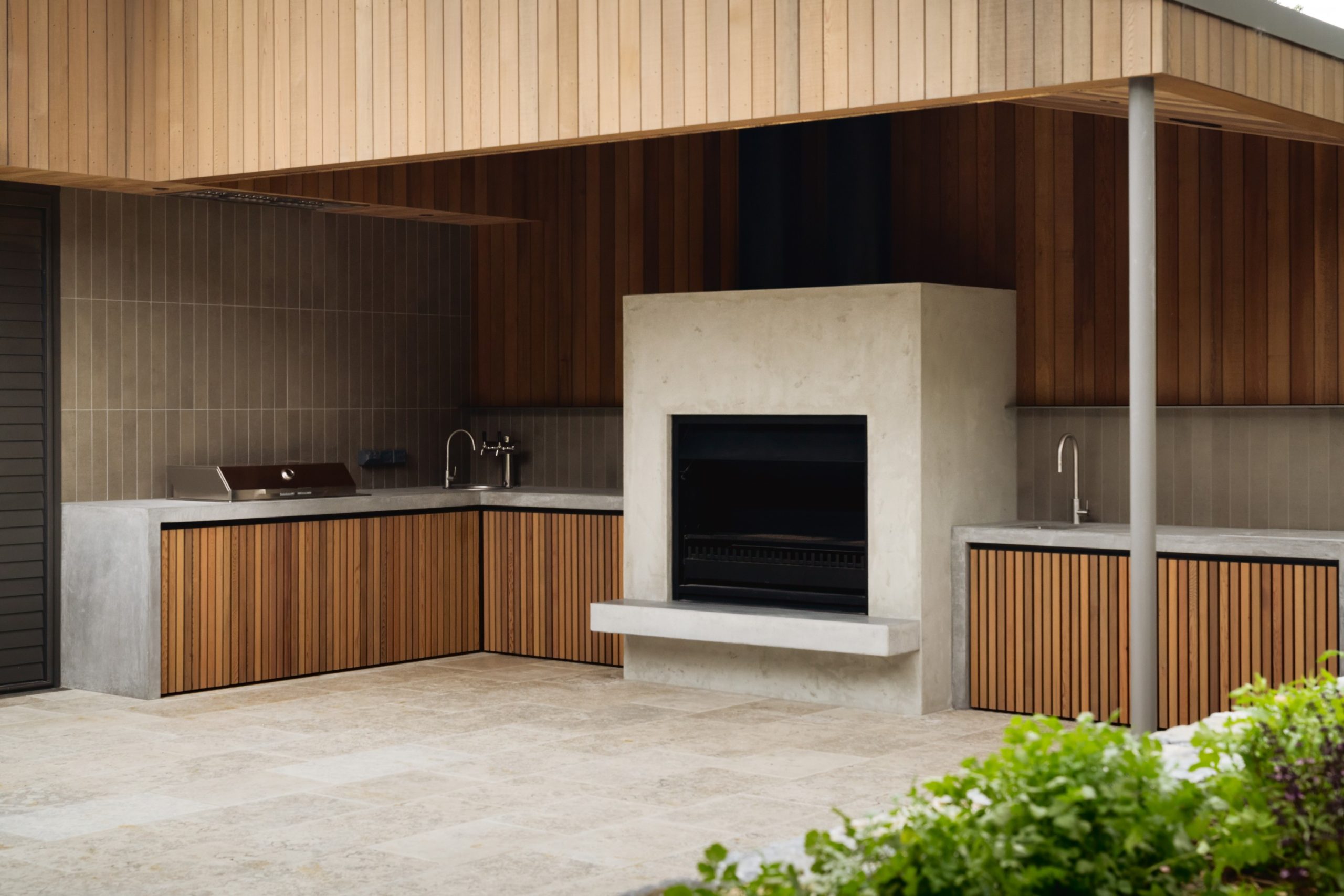
“The concrete benchtop and outdoor area was a fun project in Bream Tail Farm, just north of Mangawhai, situated on the beach. The brief was to form and finish the benchtop in a burnished finish (hand trowelled to naturally polish the concrete with the use of steel trowels), with the use of oxides to give the colour of the concrete a darker shade,” Mitch says.
Projects such as the Bream Tail Farm outdoor space reveal Te Arai Construction Concrete’s broader design-led philosophy. While highly technical in execution, the emphasis always returns to atmosphere, tactility and how concrete can shape the experience of a space. The darker burnished finish was selected not only for durability in a coastal setting, but for the way it absorbs and reflects changing light throughout the day, giving the surface depth and warmth.
“We work closely with architects, engineers, builders and clients throughout each project. Every job is different, and achieving the desired finish can sometimes require redesigns or additional structural elements to bring the architectural vision to life,” Mitch says.
This collaborative approach allows the team to consistently deliver highly resolved architectural details across a wide range of projects. Whether forming portals, staircases, outdoor living areas or sculptural landscape elements, the focus remains on precision and permanence.
“A lot of our work captures natural lighting at different times of the day, casting shadows and revealing the depth of each piece, and also achieving the same thing under lights,” Mitch says.
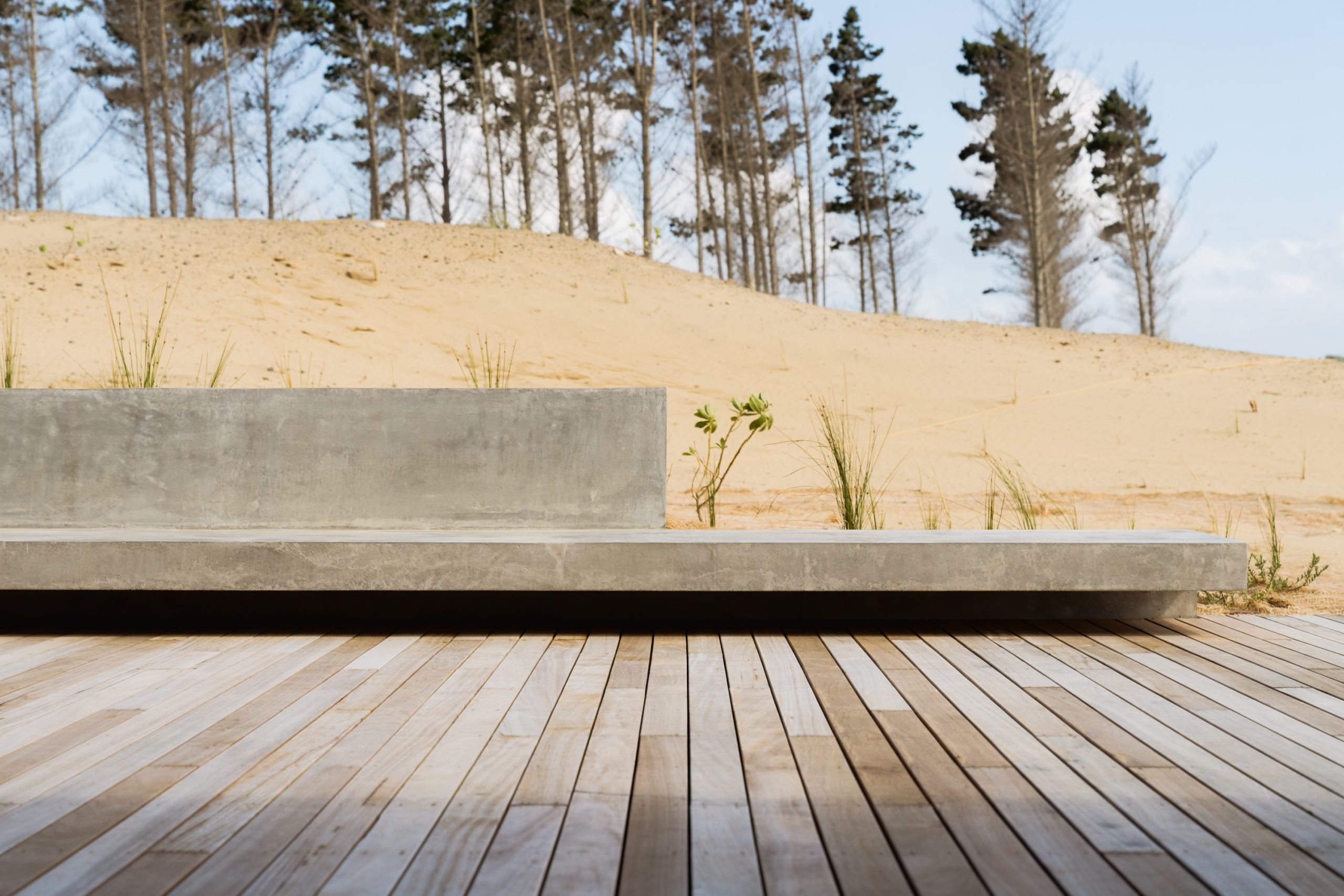
“The concrete seat project was designed by one of New Zealand’s leading architects, Roberts Gray Architects. The concrete seat was formed to be a structural element to not only retain the landscape behind, but also form a space to be enjoyed. Concrete was chosen for its longevity in the salty environment, requiring minimal maintenance and naturally weathering with time,” Mitch says.
Contact Details
Te Arai Construction
021 101 2775
mitch@tearaiconstruction.co.nz
Images by: Beinn Chapple-Law - www.futurestudios.nz